
Matthias Pfeffer / Jürgen Pfeffer / Paul Nemitz
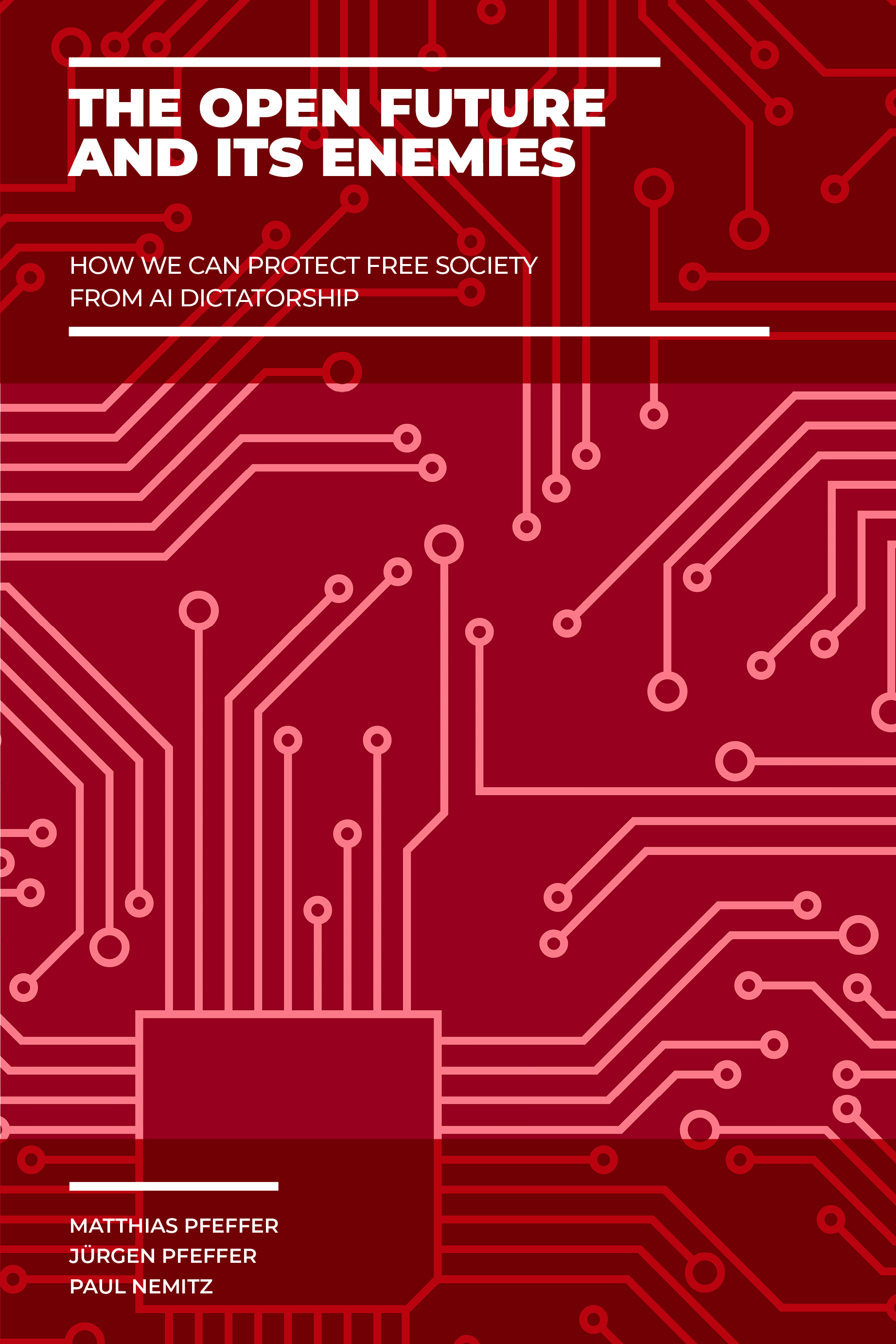
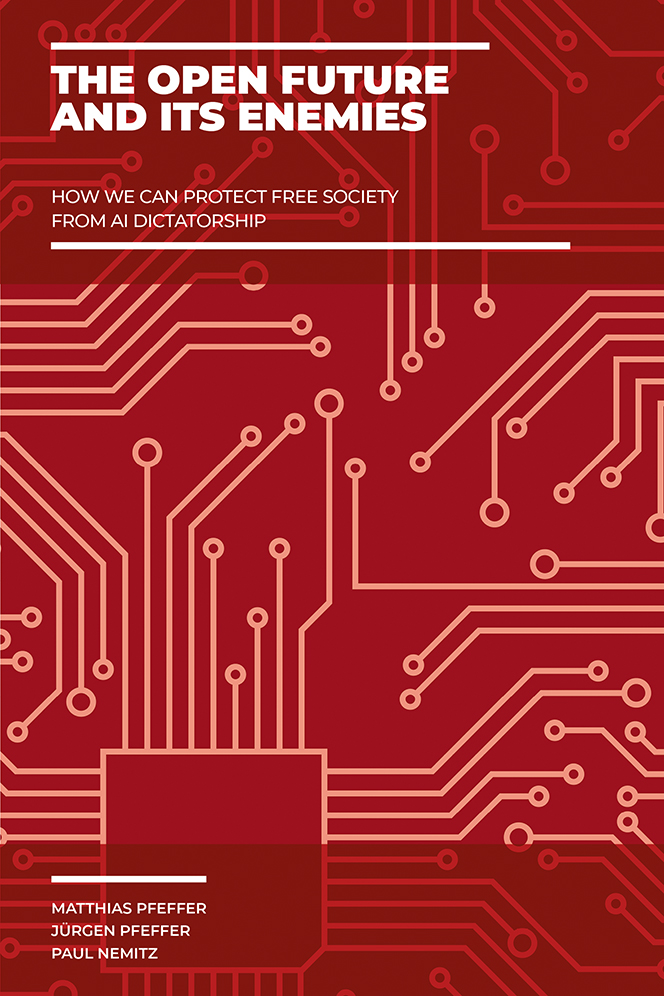
The Open Future and Its Enemies
How we can Protect Free Society from AI Dictatorship
204 Seiten
Broschur
12,00 Euro
ISBN 978-3-8012-3111-8
Erscheinungstermin: April 2026
Artificial intelligence is regarded as the driving force of progress. Yet it has long since become a challenge to democracy. The authors view AI as a fundamental issue of power and democracy and analyse the conflict between algorithmic control and democratic self-determination. Their central thesis: The future is open – people shape it with their imagination, through public discourse and on the basis of plurality. Anyone who increasingly leaves decisions to automated systems and seeks to control the future through AI misunderstands the limits of this technology and risks freedom. How can we succeed in preserving the open future and, with it, open society?
Uncontrolled AI will erode our freedom, self-determination and democracy. That is why a robust democracy must not leave the future in the hands of the alliance between Big Tech and the far right. AI must be politically reined in and democratically shaped so that humanity retains its sovereignty. The book highlights the technical limitations of supposedly superior intelligence, debunks ideological promises of salvation and describes the concentration of power within the digital-economic complex. It also sets out concrete proposals for political action to secure a better future: smart regulation, consistent enforcement of European law, decentralisation and digital sovereignty.
Weitere Bücher
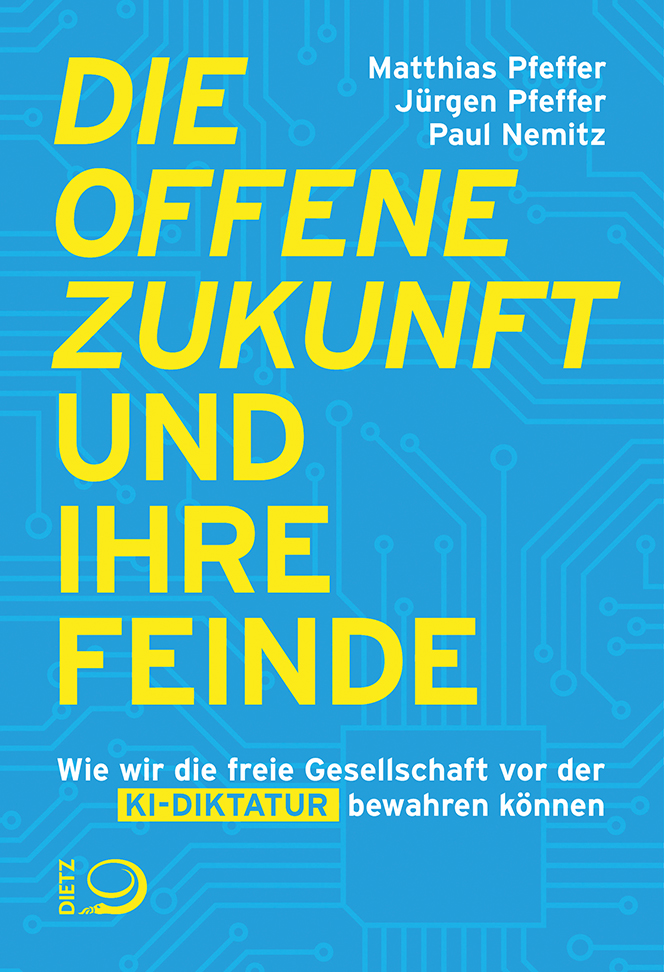



Paul Nemitz
geb. 1962, Jurist und langjähriger Direktor für Grundrechte in der Europäischen Kommission. Verantwortlich für die Einführung der EU-Datenschutzgrundverordnung sowie des EU-US Privacy Shield. Visiting Professor of Law am College of Europe, Brügge. Er lebt in Rom.
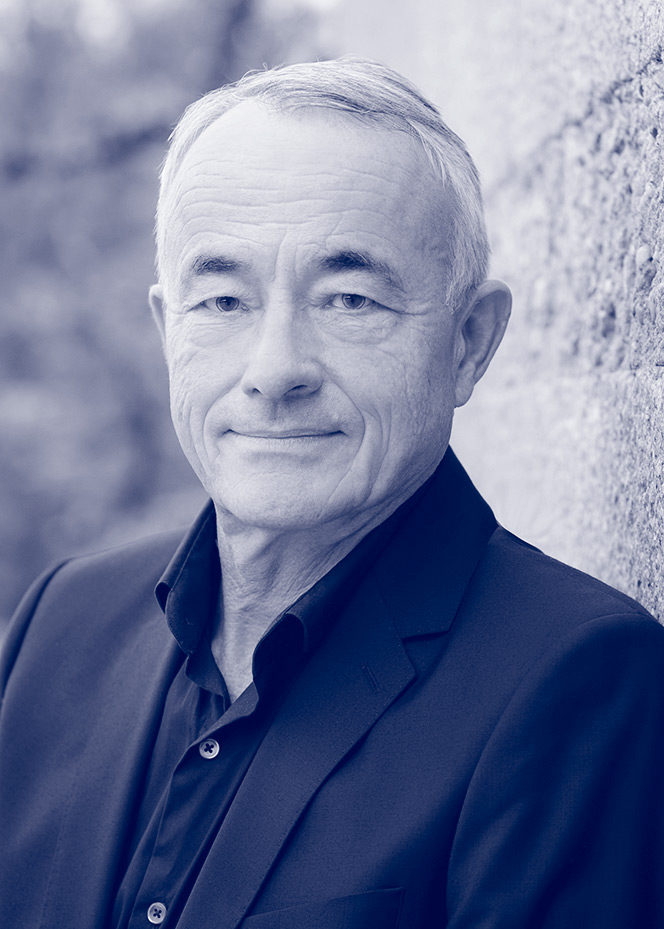
Matthias Pfeffer
geb. 1961, Publizist. Er hat Philosophie bei Herbert Schnädelbach studiert und war 20 Jahre lang Geschäftsführer und Chefredakteur von FOCUS TV. Gründungsdirektor des gemeinnützigen Think- and Do Tanks Council for European Public Space, das sich für eine paneuropäische Plattform für Nachrichten und Informationen einsetzt. Er lebt in München und Berlin.
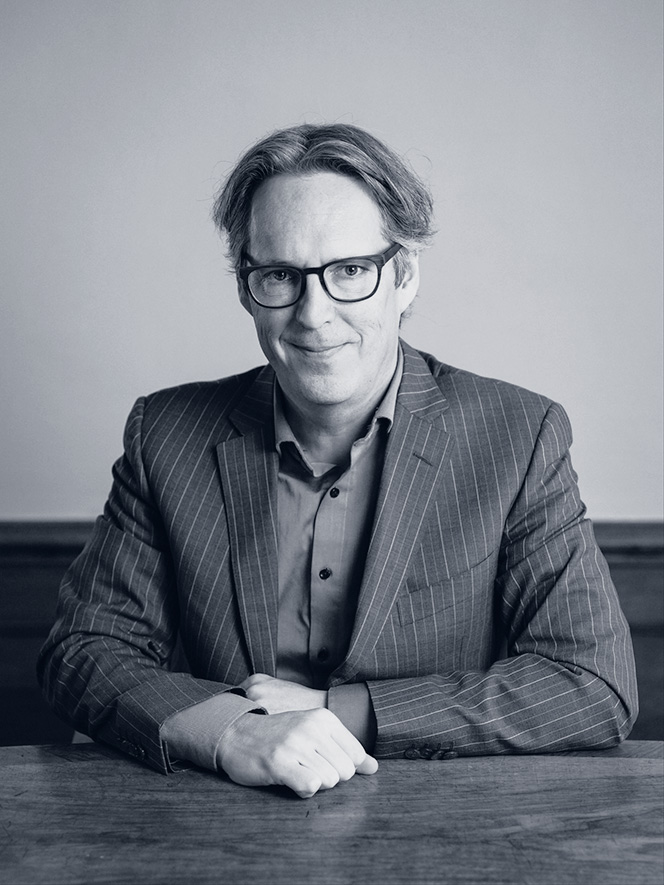
Jürgen Pfeffer
geb. 1976, Lehrstuhlinhaber für Computational Social Science an der Technischen Universität München. Er forscht zu negativen Dynamiken auf Sozialen Netzwerken wie Polarisierung, Fake News und Hassrede sowie zu den Auswirkungen von KI auf Demokratie und Grundrechte. Er lebt im Großraum München.